
How Regular Pool Heater Maintenance Extends Equipment Life?
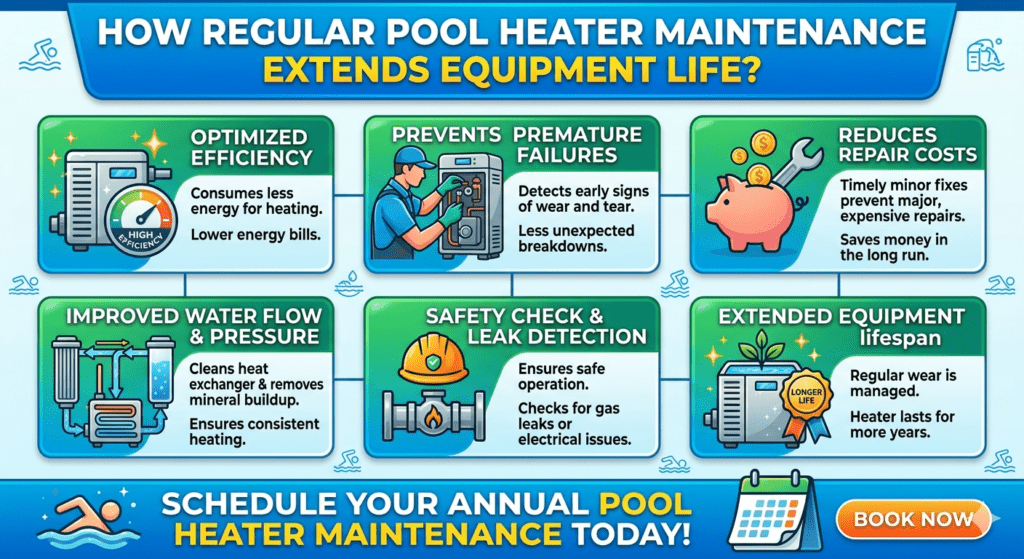
Pool heater maintenance is the most effective way to keep heating consistent while avoiding sudden breakdowns and rising utility costs. A neglected heater often works harder than necessary, consumes more energy, and delivers uneven results. With the right maintenance approach, homeowners can extend equipment life and maintain a comfortable swimming experience without interruptions.
Valley Home Appliance Service focuses on proactive maintenance strategies that help homeowners stay ahead of costly repairs while keeping their systems running efficiently.
What Makes Pool Heater Maintenance Essential
A pool heater operates under continuous stress, handling water flow, temperature regulation, and environmental exposure. Without regular care, internal components begin to degrade, leading to reduced efficiency.
Routine maintenance helps
- Maintain stable water temperature
- Improve energy efficiency
- Prevent internal damage
- Extend system lifespan
- Reduce emergency repair risks
Consistent servicing ensures the heater performs as expected without unnecessary strain.
Early Warning Signs You Should Not Ignore
Small issues often escalate into major failures if ignored. Identifying early symptoms can save both time and money
- Water takes longer to heat
- The heater shuts off unexpectedly
- Unusual sounds during operation
- Visible scaling or residue buildup
- Weak water flow through the system
- Sudden increase in energy consumption
Addressing these signs early helps prevent complete system failure.
Maintenance Differences Across Heater Types
Each pool heater type requires a slightly different maintenance approach
- Gas-Based Systems
Gas heaters require burner cleaning, ignition checks, and proper ventilation inspection to ensure safe operation.
- Electric Heating Systems
These systems need thermostat calibration, wiring checks, and heating element inspection to maintain accuracy.
- Heat Pump Systems
Heat pumps rely on airflow and refrigerant balance. Cleaning coils and ensuring proper ventilation is essential.
Understanding these differences helps in applying the correct maintenance process.
Complete Pool Heater Maintenance Routine
A structured maintenance routine ensures every component is functioning efficiently
- Water Flow Inspection
Proper water circulation is critical. Restricted flow can reduce heating efficiency and damage internal parts.
- Heat Exchanger Cleaning
Mineral deposits reduce heat transfer. Regular descaling improves performance and prevents overheating.
- Electrical System Check
Inspect wiring, connections, and control panels to avoid unexpected failures.
- Burner and Combustion Area Cleaning
For gas heaters, removing debris ensures efficient fuel usage and safe operation.
- Thermostat Testing
Accurate temperature control prevents overheating and ensures consistent comfort.
- Leak Detection
Inspect for water or gas leaks that may affect safety and efficiency.
- Airflow Clearance
Ensure the unit has sufficient ventilation to avoid overheating and performance loss.
Professional Servicing vs DIY Maintenance
While basic upkeep can be handled independently, professional servicing provides deeper system care
DIY Maintenance
- Cleaning filters
- Checking visible debris
- Monitoring system performance
Professional Maintenance
- Internal component inspection
- Advanced descaling and cleaning
- Safety checks for gas and electrical systems
- Performance optimization
Valley Home Appliance Service combines technical expertise with detailed inspections to ensure every component works efficiently.
Seasonal Care Strategy for Better Efficiency
- Pre-Usage Preparation
Inspect and service the heater before frequent use begins to avoid performance issues.
- Active Usage Monitoring
Keep filters clean and monitor heating consistency during operation.
- Post Usage Protection
Drain water, clean internal parts, and protect the unit from environmental exposure.
Seasonal care helps maintain reliability and reduces wear on critical components.
How Maintenance Reduces Long-Term Costs
Regular maintenance directly impacts overall ownership cost
- Prevents expensive emergency repairs
- Improves energy efficiency
- Reduces strain on system components
- Delays the need for replacement
A well-maintained heater performs better while consuming less energy.
Why Valley Home Appliance Service Stands Out
Valley Home Appliance Service delivers a maintenance approach built on precision and reliability
- Experienced technicians with system-specific expertise
- Detailed inspection and servicing process
- Focus on safety and efficiency
- Long-term performance-oriented solutions
Their service model ensures that pool heaters remain dependable throughout their lifecycle.
Keep Your Pool Heater Running at Peak Efficiency
Pool heater maintenance is not just about avoiding breakdowns. It is about ensuring consistent comfort, reducing energy waste, and protecting your investment over time. A proactive maintenance routine keeps your system efficient and reliable throughout its lifespan.
For homeowners looking to maintain performance or explore upgrades like pool heater sales in Ottawa, Valley Home Appliance Service offers complete support tailored to your needs. Their expert team ensures your pool heating system stays efficient, safe, and ready whenever you need it.
Frequently Asked Questions (FAQs)
1. How frequently should pool heater maintenance be scheduled?
At least once a year, with additional checks during heavy usage periods.
2. What is the most common reason for heater failure?
Lack of maintenance leading to buildup, restricted flow, and component wear.
3. Can maintenance improve heating speed?
Yes, cleaning and proper calibration significantly improve heating efficiency.
4. Is professional servicing necessary every time?
Professional servicing is recommended annually for thorough inspection and safety checks.
5. Does maintenance help reduce energy bills?
Yes, an efficient system consumes less energy and operates more effectively.
6. What should I do if my heater stops working suddenly?
Turn off the system and schedule professional inspection to prevent further damage.