
Why Most Gas Pool Heaters Underperform and How to Avoid That?
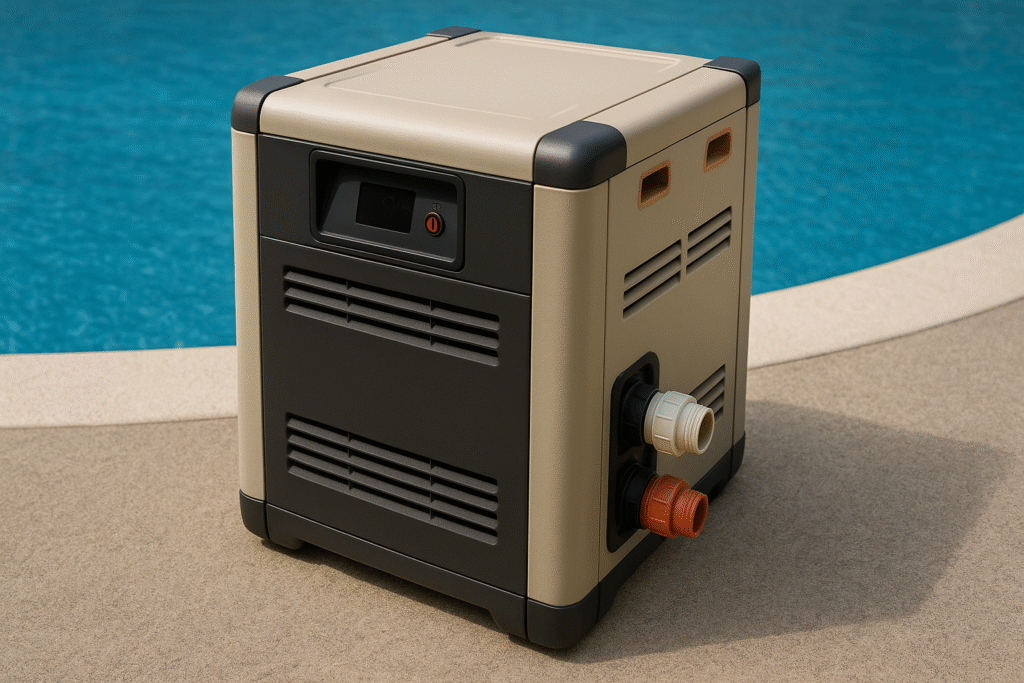
A pool should feel like freedom. Cold water feels like a missed opportunity. Most homeowners assume installing a gas pool heater will instantly fix this. Fast heat. More swimming days. Problem solved. But the truth is, this unit is not just another appliance. It works only when everything around it does. Planning, pressure, water flow, and venting all matter. Skip the details, and you’re not heating a pool. You’re burning money.
This blog is not a how-to. It’s what no manual tells you.
What This Blog Will Cover?
- What a gas heater really does beyond warming water
- What to figure out before the install even begins
- What happens during installation and what actually matters
- What can go wrong months later if the setup was rushed
- How to maintain it with minimal effort and zero surprises
- When and why gas is still the right option over electric
The Heater Is Not the Whole Story
Most people assume the heater is the hero of the system. In reality, it’s one part of a much larger equation. It depends on proper plumbing, clean gas flow, strong ventilation, and reliable pool circulation. If any of these fail, so does the heater.
At Valley Home Appliance Service, installs are not about dropping a unit beside the pool. They look at the entire system. Because heating water fast is only useful if the rest of the setup can support it.
What to Know Before Installation?
This is where most people cut corners. And it’s the part that matters most.
- Is your current gas meter rated for this kind of draw?
- Are there wind patterns in your yard that could mess with exhaust?
- Do you have space for proper ventilation without backflow risks?
- Are you thinking about future add-ons like a spa or pool automation?
- Can your plumbing loop handle the heater’s flow requirements?
These questions are easy to overlook. But skipping them means dealing with costly service calls and early breakdowns. Gas heaters are powerful. They also demand consistency.
What a Real Installation Looks Like?
Behind every good install is a lot of technical checking and quiet problem-solving. This is what actually happens:
- Site layout
The heater must be placed for maximum airflow, minimum noise, and safe distance from structures.
- Plumbing connection
Piping must allow smooth flow in and out of the heater without creating bottlenecks.
- Gas line setup
The heater draws high volume. If pressure dips, you risk delayed ignition and long-term damage.
- Ventilation checks
Poor venting is a common reason heaters fail early. Exhaust must clear the area cleanly.
- System test under load
A technician runs the heater while the pool is operating. That is the only way to see how it performs in real conditions.
This is not a quick install. It is a precision job. And it pays off every single swim day.
After the Install
Gas pool heaters do not require daily attention. But they do need a little routine care.
- Keep water chemistry balanced. Acidic water will corrode the internals.
- Watch for soot or a yellow flame. That is often a sign of combustion issues.
- Inspect the vents each season. Small blockages can reduce efficiency.
- Schedule a professional check-up once a year.
- Do not forget the pool pump. Poor circulation affects heating speed.
A heater that is ignored will keep running, but not well. And not for long.
Why Does Gas Still Win?
Electric heaters and solar setups look good on paper. But in practice, gas outperforms them for most homeowners. It heats fast. It works in cold weather. It does not care if the sun is out.
Gas makes sense if:
- You rent out your home and need fast heating between guest check-ins
- You have a busy schedule and want the pool ready without notice
- Your area has cool nights or unpredictable weather
- You use the pool occasionally but want comfort every time
Electric systems take longer. Solar requires space and full sun. Gas gives you control, not conditions.
Make the Heat Work for You, Not Against You
Gas pool heater installation is not just another upgrade. It is a foundational change to how and when you use your pool. With the right install, it becomes invisible. The heat is there when you want it. The system runs without effort. And your pool finally delivers what it promised.
Valley Home Appliance Service installs systems that last, with performance tuned to your setup. If you’re weighing other options, check out our coverage on above ground pool heater electric models for lighter systems. Either way, you get heat without the hassle.