
How to Spot the Signs of a Failing Pool Heater?
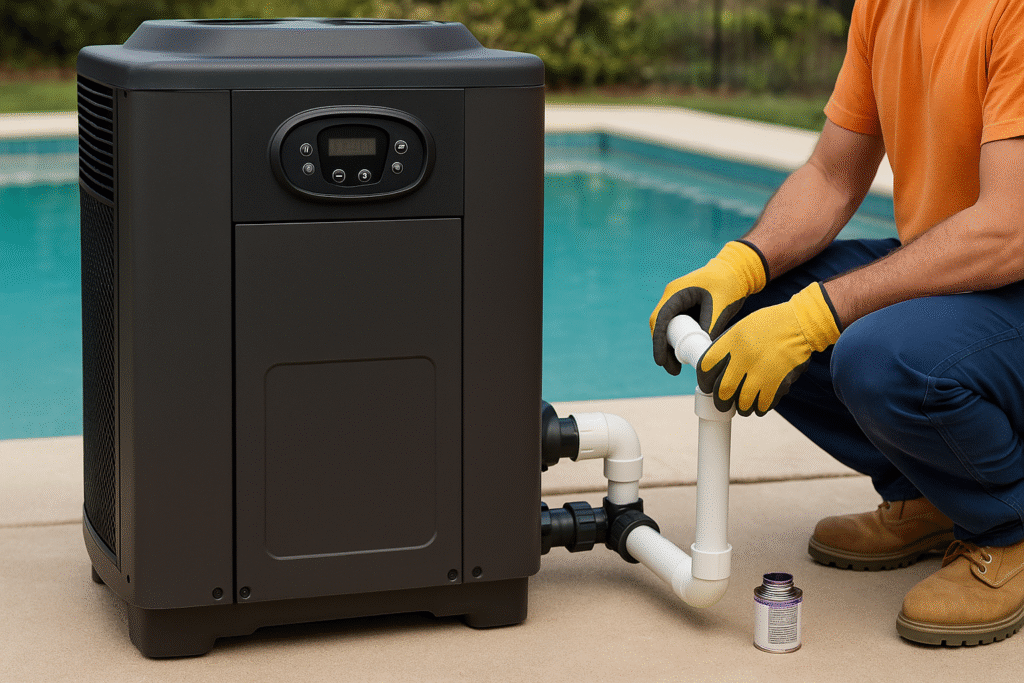
When your pool heater stops working, it usually does not give much notice. One day, the water feels perfect. Next, it is colder than expected, and no amount of adjusting the settings helps. At first, it might seem like a minor glitch. You may think it just needs a reset, or that the weather has changed. But often, these are early signs of a heater system starting to fail.
A working swimming pool heater repair is easy to take for granted. It quietly keeps your water at just the right temperature, letting you enjoy the pool longer each year. But like any piece of equipment exposed to the elements, it wears down over time. Ignoring subtle problems, like inconsistent heat, odd noises, or delayed startups, can lead to serious damage and more expensive repairs later.
In this blog, we break down what causes most pool heater issues, what a proper repair involves, and how to tell when it is time to move on from an aging unit. Whether you are dealing with your first heater problem or facing repeated breakdowns, this guide will help you make a clear and informed decision.
What You Will Learn in This Blog
- The most common reasons pool heaters fail
- Key signs that indicate your heater needs professional attention
- What a pool technician looks for during a repair visit
- How to decide between repairing and replacing
- Maintenance habits that extend heater lifespan
- Why homeowners are choosing Jandy systems for long-term efficiency
What Usually Goes Wrong with Pool Heaters?
Pool heaters operate under pressure, heat, and exposure to water. This combination puts stress on internal components, especially over time. Some problems are simple to fix, while others can become complicated or dangerous if ignored.
For example, clogged filters are a common issue. When filters or baskets are full of debris, water does not flow properly through the heater. This can cause the system to overheat, trigger safety shutoffs, or run inefficiently.
Other problems are more technical. An electric heater might have a faulty thermostat or burnt-out heating element. A gas heater could suffer from pilot light failure, blocked burners, or poor gas flow.
Below is a helpful overview of common symptoms and their likely causes:
| Symptom | Likely Cause | Typical Fix |
| Heater does not start | Breaker issue or failed ignition | Reset breaker, replace igniter |
| Water stays cold | Clogged filter or blocked heat exchanger | Clean system, flush buildup |
| Short cycling | Faulty sensor or low water flow | Check pump, clean sensor |
| Strange smells or noises | Overheating, gas leak, or loose parts | Inspect components, tighten seals |
Even a minor issue can trigger more serious damage if left unchecked. For instance, overheating can damage the heat exchanger or warp plastic housing. Water leaks, if unnoticed, may short-circuit internal wiring or control boards. Acting quickly keeps the repair straightforward and affordable.
What a Technician Actually Does During Repair?
Pool heater repairs are not a guessing game. A certified technician begins with a full system diagnostic. They test electrical continuity, gas or power supply, water pressure, and read any fault codes from the control panel.
Each type of heater, gas, electric, or hybrid, has its own diagnostic path. With gas models, the technician may check the burner tray, gas pressure levels, or ventilation. For electric models, they might inspect the heating elements, relays, and safety cutoffs.
Rather than replacing parts blindly, a skilled technician will isolate the exact failure point. This helps avoid unnecessary costs and makes sure the problem is resolved fully the first time.
Depending on the issue, repairs can take anywhere from an hour to a full afternoon. Common parts like sensors, gaskets, and filters are usually stocked. More complex issues might require a second visit or a special order.
Is It Time to Replace Instead of Repair?
There is a limit to how long a pool heater can perform well. Most residential heaters last about eight to twelve years with regular maintenance. Beyond that, internal components wear out, and energy efficiency drops significantly.
If your heater has needed multiple repairs in the past two years, it may be more cost-effective to replace it. The same applies if the unit struggles to maintain temperature, takes longer to heat the water, or keeps triggering error codes even after service.
Newer heaters, such as those from Jandy, come with updated technology that makes a noticeable difference. They heat faster, use less energy, and offer more reliable performance across seasons. Many models are also built to connect with pool automation systems, which makes operation easier and smarter.
Investing in a new unit can lower your monthly energy bill and give you peace of mind, especially if your current setup is showing its age.
How to Make Your Pool Heater Last Longer?
Preventive care is key to avoiding breakdowns. Make a habit of inspecting your heater at the start and end of the swimming season. Look for signs of corrosion, mineral deposits, or insect nests near air vents or burners.
Keep the area around the heater clear to ensure proper airflow. Poor ventilation causes overheating and unnecessary stress on internal components.
If you live in an area with hard water, you should schedule routine flushing to remove mineral scale. This simple step can keep your heat exchanger running efficiently for years.
Also check the pool’s circulation system. A weak or clogged pump affects heater performance and can lead to overheating or false shutoffs. Everything in the system works together, so issues in one part often affect the rest.
Don’t Let a Faulty Pool Heater Ruin Swim Season
Repairing a swimming pool heater is not just about fixing the obvious problem. It is about maintaining a balanced system that keeps your pool comfortable and safe to use. Whether your heater needs a simple repair or is showing signs of permanent wear, acting quickly can help you avoid bigger issues later.
And if you are considering a long-term upgrade, a Jandy Pool Heater Installation may be the smart move. These systems offer modern features, lower running costs, and the reliability today’s pool owners expect.
If your pool has gone cold or your heater is acting up, now is the time to get it checked. A trusted technician can guide you through the next steps and get your setup working the way it should.