
How to Turn Your Backyard Pool into a Spa-Like Oasis with a Heater?
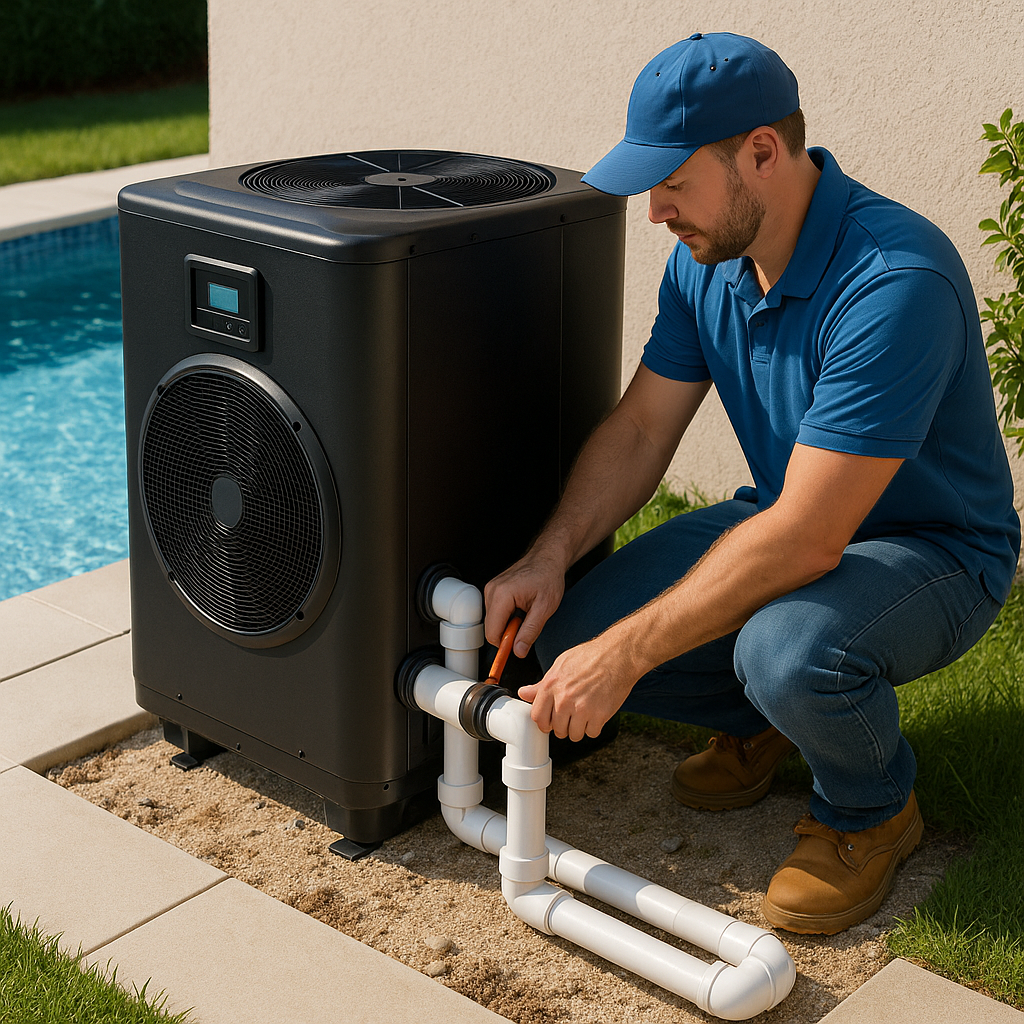
Ask any pool owner in Ottawa about their heater, and you’ll hear the same complaints: it takes forever to warm up, energy bills are outrageous, and sometimes it feels like it’s just not working at all. And it’s not always the equipment’s fault. More often than not, the real issue lies in how the pool water heater was installed — or more accurately, how it was not installed with the bigger picture in mind.
Too many installations treat the heater like an isolated appliance, slapped onto the system with minimal planning. But the heater isn’t an accessory. It’s an integral part of your pool’s operating ecosystem. If you don’t take the time to integrate it properly — with your hydraulics, your power source, and even your regional climate — you’re simply building a failure that hasn’t happened yet.
Why Installation Fails Happen Before the Heater Even Turns On?
Heater installations don’t start with unboxing the unit. They begin with evaluating your existing system. Plumbing layout, water pressure, pump flow, pipe diameter — these elements determine how well a heater will function.
If your heater isn’t installed to align with the full pool system, you could experience:
- Short-cycling and inconsistent temperatures
- Overheating or underperformance
- Premature heater breakdown
- Spike in energy bills
And these problems don’t usually show up on day one. They sneak in gradually, causing frustration — and eventually, expensive repairs.
Why Electric and Gas Aren’t Just Fuel Choices — They are Infrastructure Decisions?
Choosing between gas and electric isn’t just about monthly cost or heating speed. It’s about what your home can realistically support.
Electric heaters might seem like the easier choice, but they draw significant amperage — often requiring a dedicated 50–80 amp breaker. If your electrical panel is already near capacity, the heater could trip circuits, damage wiring, or simply not work efficiently.
Gas heaters, on the other hand, require:
- Proper venting and clearance
- Safe and accessible gas lines
- Code-compliant pressure and BTU matching
- Safe exhaust routing (away from windows or equipment)
Neither choice is “better” in general. The right decision is based on your home’s structure and pool usage pattern — and it should only be made after a full system inspection.
Sizing Isn’t Just About Pool Volume — It’s About Usage Behavior
You’ve probably heard it before: “just size your heater based on pool volume.” That’s helpful — but dangerously oversimplified.
Heater sizing should also reflect:
- How often you use the pool
- Desired temperature range
- Whether you cover your pool or leave it open
- Whether it’s a spa or combo pool/spa system
- Seasonal use (only summer vs. shoulder months too)
Oversized units may short-cycle, damaging components. Undersized ones will run constantly, draining power and failing to maintain a consistent temperature. At Valley Home Appliance Service, we evaluate both physical specs and behavioral patterns to recommend the right fit.
The Ottawa Factor: Why Climate and Geography Matter More Than You Think
Installing a pool heater in Ottawa is not the same as installing one in Vancouver or Phoenix. Our local climate brings:
- Unpredictable temperature swings
- Cold winds that strip heat faster than you expect
- Late spring and early fall dips, making steady heating more critical
- Frost risk, especially with improperly winterized systems
We’ve seen too many installs that work beautifully on paper but fail the moment an early-May cold front hits. Our approach includes climate-adjusted design that anticipates Ottawa’s unique weather conditions — not just average summer temps.
Installation Done Right Is Half Engineering, Half Art
Heater installations can be clean, code-compliant, and still fail if the system flow isn’t right. The goal isn’t just to “heat water” — it’s to do so efficiently, quietly, and reliably, season after season.
Our expert process at Valley includes:
- Testing pump-to-heater flow compatibility
- Verifying return line balancing to avoid thermal layering
- Ensuring wiring, grounding, and breaker load are secure
- Tuning RPM settings on variable speed pumps for heater performance
- Final calibration using real-time water temperature monitoring
This level of detail doesn’t just deliver better heating — it extends the lifespan of your unit, reduces maintenance needs, and gives you a better swimming experience.
When It’s Time to Consider a Full Pool Heater Replacement?
Sometimes, the heater isn’t the issue — it’s the years of poor decisions layered underneath. If your current setup is constantly breaking down, failing to heat, or costing more each month, it may be time to move on from repair mode.
Common signs it’s time for pool heater replacement:
- The heater is 8–10+ years old
- Visible corrosion or scale buildup
- Thermostat or sensor failure
- Unexplained shutdowns or power trips
- Increased time to heat — or failure to reach set temps
- Repeated repairs without long-term success
At this point, you’re no longer upgrading — you’re restoring function. And Valley doesn’t just swap units. We rethink the entire setup to ensure the new heater thrives in the system you have.
Heat, Without Headaches
When done right, pool heating feels effortless. The water warms consistently. The system runs quietly. Your energy bills stay predictable. That’s not luck — that’s planning, execution, and professional design.
Most heater failures aren’t caused by the heater. They’re caused by rushed installs, mismatched components, or overlooked details. Valley Home Appliance Service installs heaters as part of a system — never in isolation. From initial evaluation to performance tuning, our team treats your pool like the custom-built experience it should be.
Contact us today for a professional assessment — and explore our smart, durable pool heater replacement services for Ottawa and beyond.